tpo roofing: Practical Guide for Homeowners
A practical guide to tpo roofing, its benefits and maintenance for flat roofs.
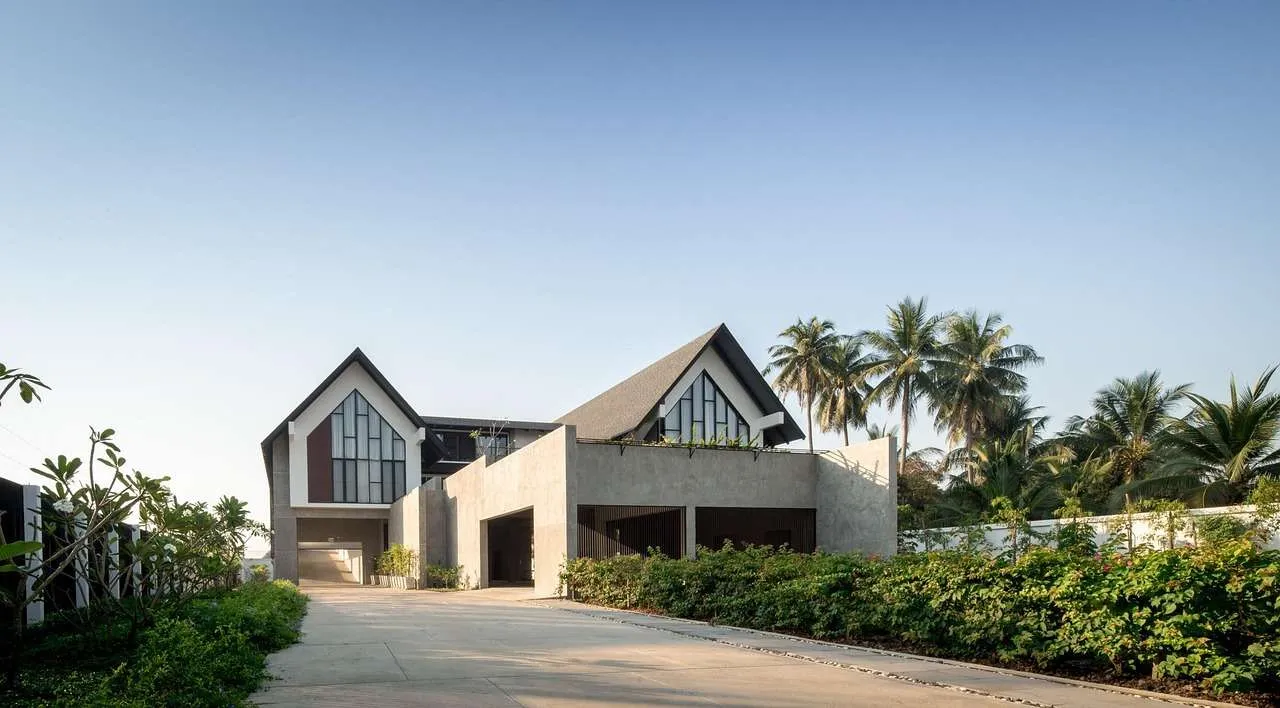
TPO roofing, or thermoplastic polyolefin roofing, is a popular single-ply membrane used on flat and low-slope roofs. It’s favored for its balance of durability, energy efficiency, and cost. This article explains what tpo roofing is, when it’s the right choice, how it’s installed, and how to maintain it to maximize longevity. With EEAT in mind—expertise, authoritativeness, and trust—this guide helps homeowners and property managers make informed decisions.
What is tpo roofing?
TPO stands for thermoplastic polyolefin. It is a single-ply membrane typically made from ethylene-propylene rubber with stabilizers and reinforcing scrim. Most commonly used on flat or low-slope roofs, tpo roofing comes in white or light colors that reflect sunlight, reducing cooling costs in warm climates. Seam connections are heat welded, creating a durable, waterproof seal.
Benefits of tpo roofing
- Energy efficiency: The reflective white surface helps lower cooling loads and can reduce utility bills.
- Cost-effectiveness: Lower material cost compared with some alternatives and faster installation.
- Lightweight and flexible: Compatible with many roof substrates and easy to adapt to curbs, penetrations, and skylights.
- Durability: Resistant to UV exposure and ponding water when properly installed.
- Repairability: Punctures and small leaks can often be addressed with spot repairs.
Drawbacks and considerations
Not all TPO membranes are created equal. The quality of the sheet, the integrity of seam welding, and the workmanship determine long-term performance. Lower-quality TPO can suffer from premature seam failures or shrinkage, especially in extreme heat. Warranty length varies by manufacturer and installation method, so read the contract carefully.
Installation options and best practices
There are three primary installation methods: fully adhered, mechanically attached, and ballasted. Fully adhered systems use an adhesive to bond the membrane to the substrate; mechanically attached systems fasten the membrane with plates and screws; ballasted systems rely on the weight of ballast material (like stones) to hold the membrane in place. Each method has pros and cons regarding wind uplift, uploads, and maintenance. A licensed roofer with tpo roofing experience should perform the installation to ensure proper seam welding and detailing around penetrations.
Maintenance and lifespan
Regular roof inspections, particularly after severe weather, help catch issues early. Clear debris, check for pooling water, and monitor flashing around edges, vents, and skylights. Most TPO systems offer 15–20 years or longer depending on the product, installation, and climate. In hot climates, reflectivity can gradually diminish; resealing seams or re-lowing systems may be required over time.
TPO vs other roof types: a quick comparison
| Material | Durability / Lifespan | Energy Efficiency | Installation Cost | Best For | Notes |
|---|---|---|---|---|---|
| TPO | 15–20+ years | High (reflective) | Moderate | Flat or low-slope roofs | Quality and workmanship matter; white surfaces reduce cooling load. |
| EPDM | 20–30 years | Medium to Low (often black) | Low | Budget retrofits; simple substrates | Flexible, excellent low-temp performance. |
| PVC | 20–30 years | High | Higher | Commercial kitchens, hospitals, harsh chemical exposure | Heat-welded seams offer strong waterproofing. |
| BUR (Built-Up) | 20–40 years | Medium | Moderate to High | Historic or traditional applications | Multi-ply system; heavier and less reflective. |
How to choose a TPO contractor
Ask potential contractors about: manufacturer certifications, installation method options, project warranties, and local code compliance. Require written warranties that cover materials and workmanship, and confirm the roofer’s insurance. Request references and case studies from similar climates. A reputable installer will conduct a site evaluation, provide a detailed proposal, and clearly outline maintenance guidelines.
To protect long-term performance, work with a licensed, insured professional who uses approved TPO membranes and adheres to industry guidelines for seam testing and cooling mechanisms. A strong contractor will also help you assess the total cost of ownership, including future maintenance and potential membrane replacement cycles.
Conclusion, tpo roofing offers a cost-effective and energy-efficient solution for flat and low-slope roofs when installed by a qualified professional and maintained regularly. This guide has explained what tpo roofing is, its benefits and potential drawbacks, installation methods, maintenance tips, and how it compares to other options. With the right materials, workmanship, and warranty, you can expect reliable performance and long-term value from your roof.